
Summary
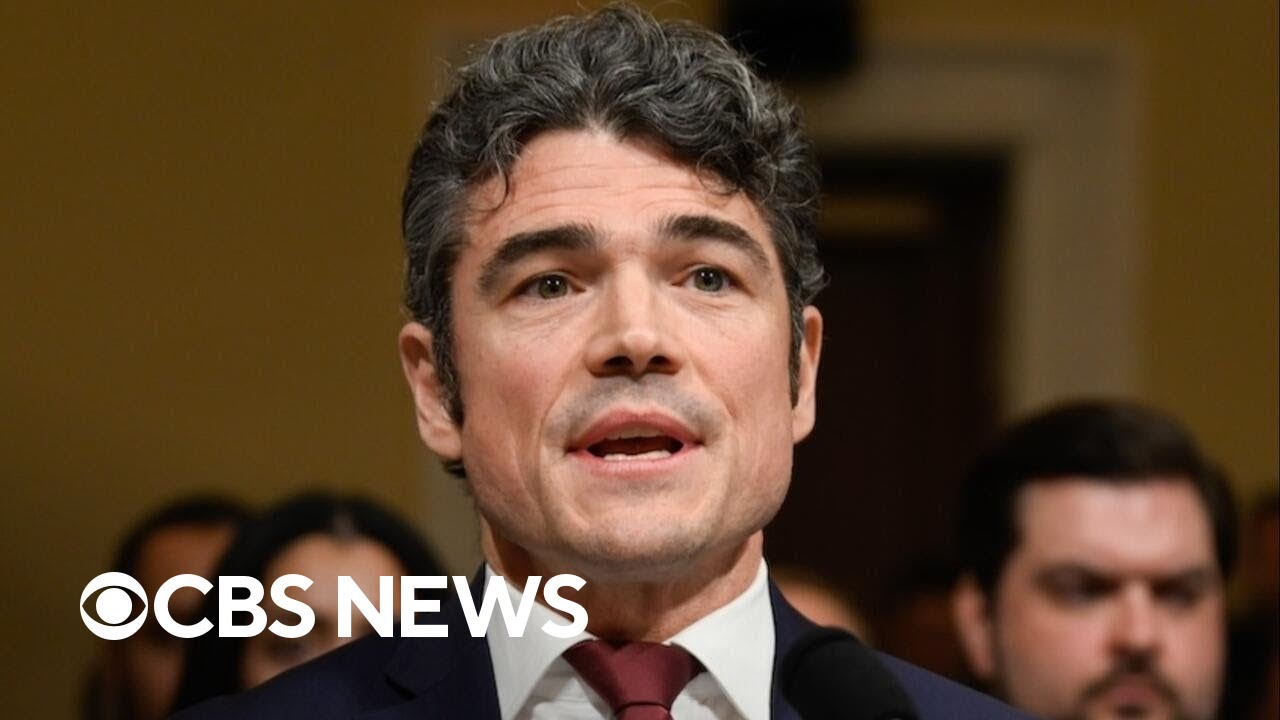
In a significant move, **Joe Kent**, a senior U.S. counterterrorism official, has resigned from his post, citing fundamental disagreements over the administration's policy toward **Iran** and the potential for war. Kent, a decorated figure known for his extensive experience in counterterrorism operations, is the highest-ranking official to depart the Trump administration over this specific issue. His resignation highlights deep-seated tensions within the national security establishment regarding diplomatic versus military approaches to Iran, raising questions about the future direction of U.S. foreign policy in the Middle East. The departure underscores the intense internal debates surrounding the [[Iran nuclear deal|JCPOA]] and broader regional security.
Key Takeaways
- A high-ranking U.S. counterterrorism official, Joe Kent, has resigned due to policy disagreements over Iran.
- Kent's departure marks a significant protest against the administration's approach to Iran and the risk of war.
- The resignation highlights internal tensions within the U.S. national security establishment regarding Iran policy.
- This event raises concerns about the potential for escalating conflict in the Middle East.
- The specific details of Kent's objections and the administration's response are crucial for understanding the full impact.
Balanced Perspective
Joe Kent's resignation represents a high-profile departure from a key national security role, directly linked to policy disagreements over Iran. As a senior official, his decision to step down indicates a significant divergence of opinion within the administration regarding the strategy for dealing with Iran. The specific details of his objections and the administration's response will be critical in understanding the full implications for U.S. foreign policy and the ongoing debate about how to manage relations with Tehran.
Optimistic View
Kent's resignation, while a loss of experienced talent, could serve as a crucial wake-up call, forcing a more robust public debate about the wisdom of escalating tensions with Iran. It may empower other officials to voice dissent, potentially leading to a more cautious and diplomatic approach that prioritizes de-escalation and avoids a costly conflict. This could ultimately steer U.S. policy towards a more sustainable and less confrontational path, safeguarding American interests without resorting to war.
Critical View
The resignation of a top counterterrorism official like Joe Kent over Iran policy signals a potentially dangerous escalation of internal conflict and a possible drift towards military action. It suggests that diplomatic channels may be failing, leaving fewer options to de-escalate tensions and increasing the likelihood of miscalculation. This departure could embolden hardliners advocating for a more aggressive stance, potentially leading the U.S. down a path toward an unwanted and destabilizing war in the Middle East.
Source
Originally reported by The New York Times