
Summary
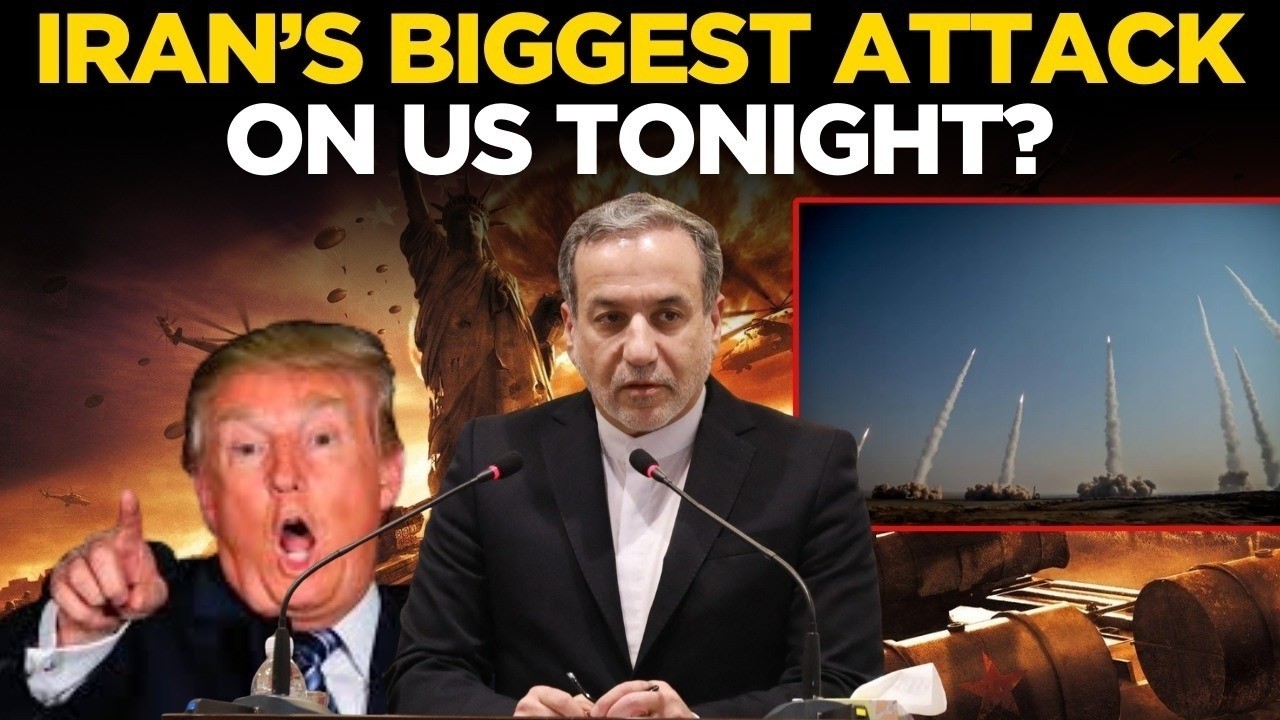
Iran's Islamic Revolutionary Guard Corps (IRGC) has declared its intention to target major **U.S. technology companies** operating in the **Middle East**. This announcement, made by IRGC Cyber Defense Commander **Ali-Reza Tangsiri**, signals a potential escalation in cyber warfare and economic pressure against American interests in the region. The targeted companies include **Apple, Microsoft, Google, HP, Meta, and Tesla**, suggesting a broad sweep across the digital and technological landscape. This move could have significant implications for regional stability and the operations of global tech giants.
Key Takeaways
- Iran's IRGC has explicitly threatened U.S. tech companies operating in the Middle East.
- Major players like Apple, Microsoft, and Google are named targets.
- The threat signals a potential escalation in cyber warfare tactics.
- The announcement raises concerns about regional stability and economic impact.
- The actual execution and scale of these threats remain uncertain.
Balanced Perspective
The IRGC's statement indicates a clear intent to engage in cyber operations against U.S. tech companies in the Middle East. The specific mention of major players like **Apple** and **Microsoft** suggests a strategic focus on critical infrastructure and data access. The effectiveness and scale of any potential attacks remain uncertain, as do the specific methods Iran might employ. International responses will likely depend on the nature and impact of any actual cyber incidents.
Optimistic View
This threat could be a bluff, a tactic to sow fear and disrupt markets without actual follow-through. If Iran does attempt cyberattacks, it could galvanize international cooperation against such aggression, leading to stronger cybersecurity alliances and sanctions against Iran. Furthermore, it might push U.S. tech companies to enhance their defenses and diversify their regional operations, ultimately making them more resilient.
Critical View
This threat represents a significant escalation in Iran's asymmetric warfare capabilities, potentially leading to widespread disruption of essential services and economic damage across the Middle East. U.S. tech companies may face costly defenses, reputational damage, and operational challenges. The geopolitical implications are severe, risking further regional instability and potentially drawing the U.S. into direct cyber conflict.
Source
Originally reported by The Hill